

Shhhh. (slovenia)
You have to eat this post after you read it.

I’m starting to hear about Slovenia from travel-forward friends, much like Puglia started sneaking onto the scene for me about 15 years ago. I was curious about it, and when I was invited to join a week-long hiking tour in October, I decided that fate was calling. I’m glad I answered.
This tiny country—only 2 million people and smaller than New Jersey—offers an outsized array of experiences and beauty. Here’s what has stayed with me the most after my return. A caveat: my experiences centered along the border region shared with Austria and Italy, along with an overnight in Ljubljana, so my comments are grounded on that slice of the country.
The Julian Alps
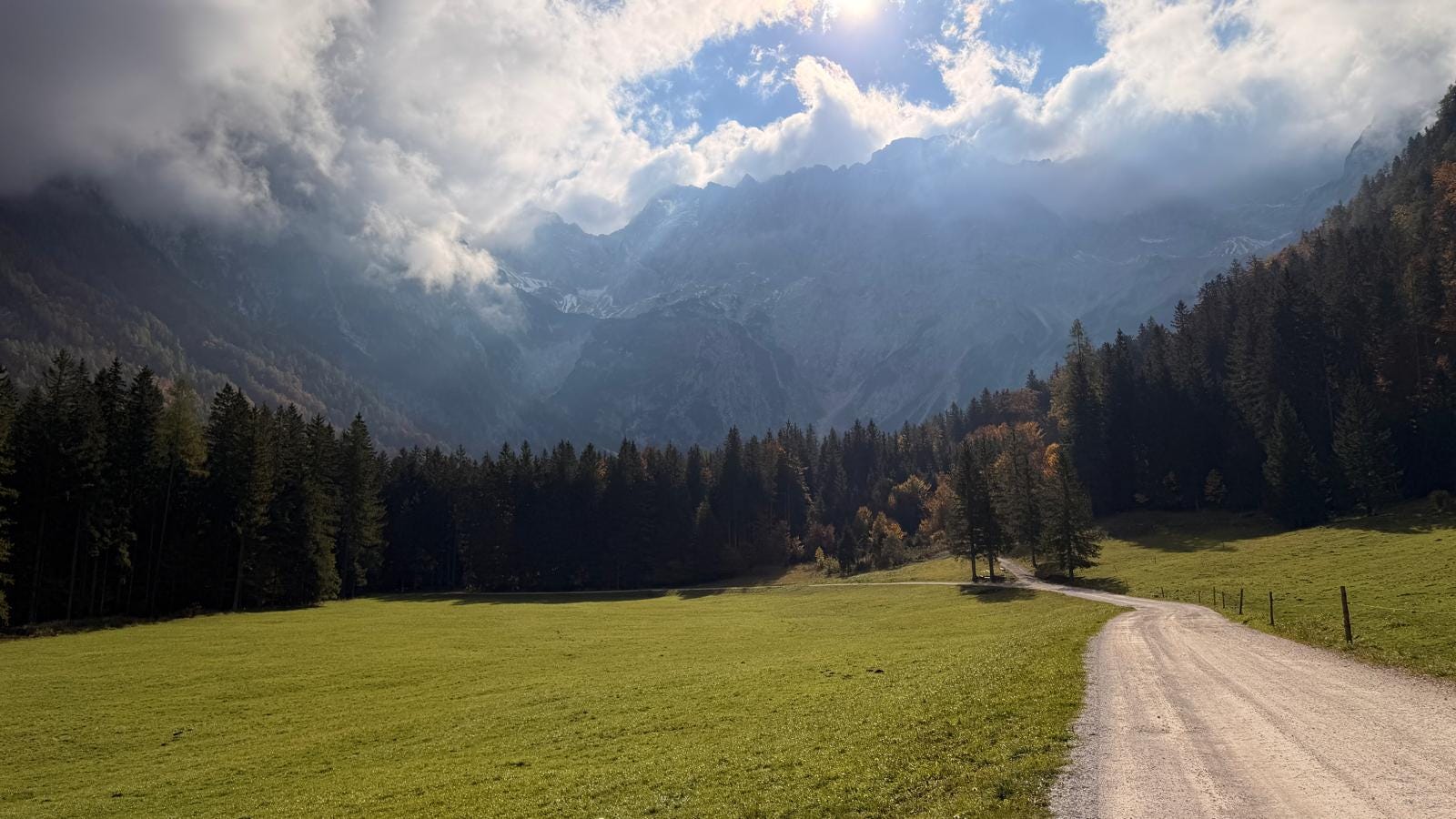
On team Rockies vs. team Alps, I’m a sucker for the latter, every time. The relative infancy of the geology created stomach-turningly vertical peaks—at least for someone with a slight fear of heights.. Switzerland, France, Italy, and Austria come to mind first when you think of the Alps, but Slovenia has a breathtaking share with fewer tourists. We spent time in the high Julian Alps and their foothills, hiking through magnificent scenery and only rarely spotting another hiker. And when we did, they were almost always speaking Slovene.
It Took a Slovenian to Ski Down Mt. Everest
Our two Slovenian guides kept impressing upon us how much Slovenes love being active in the mountains. Apparently, no hike is considered a real hike unless it involves a healthy amount of “knee biting”—a colorful way of describing those highly vertical ascents when, with a stretch of imagination, one can imagine actually biting one’s own knees with each step. I saw a wide range of ages on even the most rugged terrain. There are well-maintained trails everywhere with clear signage.
There’s a fondness for trail running in the highest peaks. Every August brings the Triglav Trail Run, circling Slovenia’s highest peak. The festival offers mountain races of varying distances: 101km, 44km, 26km, and 14km. Just to make it more interesting, the longest race has an elevation gain of 6,200 meters (that’s 20,000 feet).
Skiing, in all its variations, is hugely popular. We had dinner at a small agriturismo created by famed mountaineer and skier Davo Karničar and still run by his family. It sits in Jezersko, a tiny hamlet in one of the most perfect green valleys I’ve ever seen.
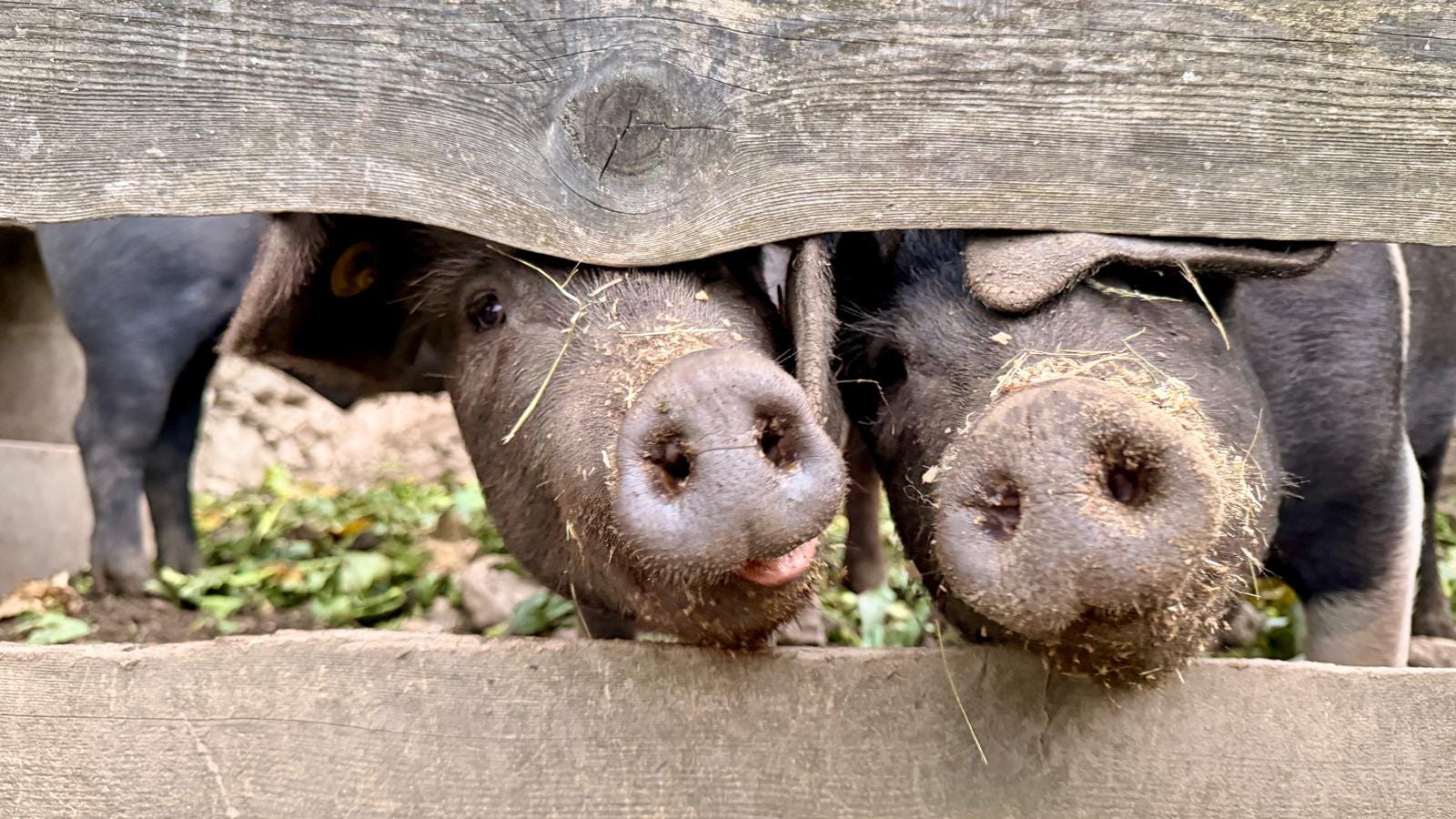
Davo was the first person to ski from the summit of Mount Everest—a 4-hour-and-40-minute descent. He was also the first person to ski from the top of all of the Seven Summits. Tragically, he died in 2019 while felling a tree on the family farm.
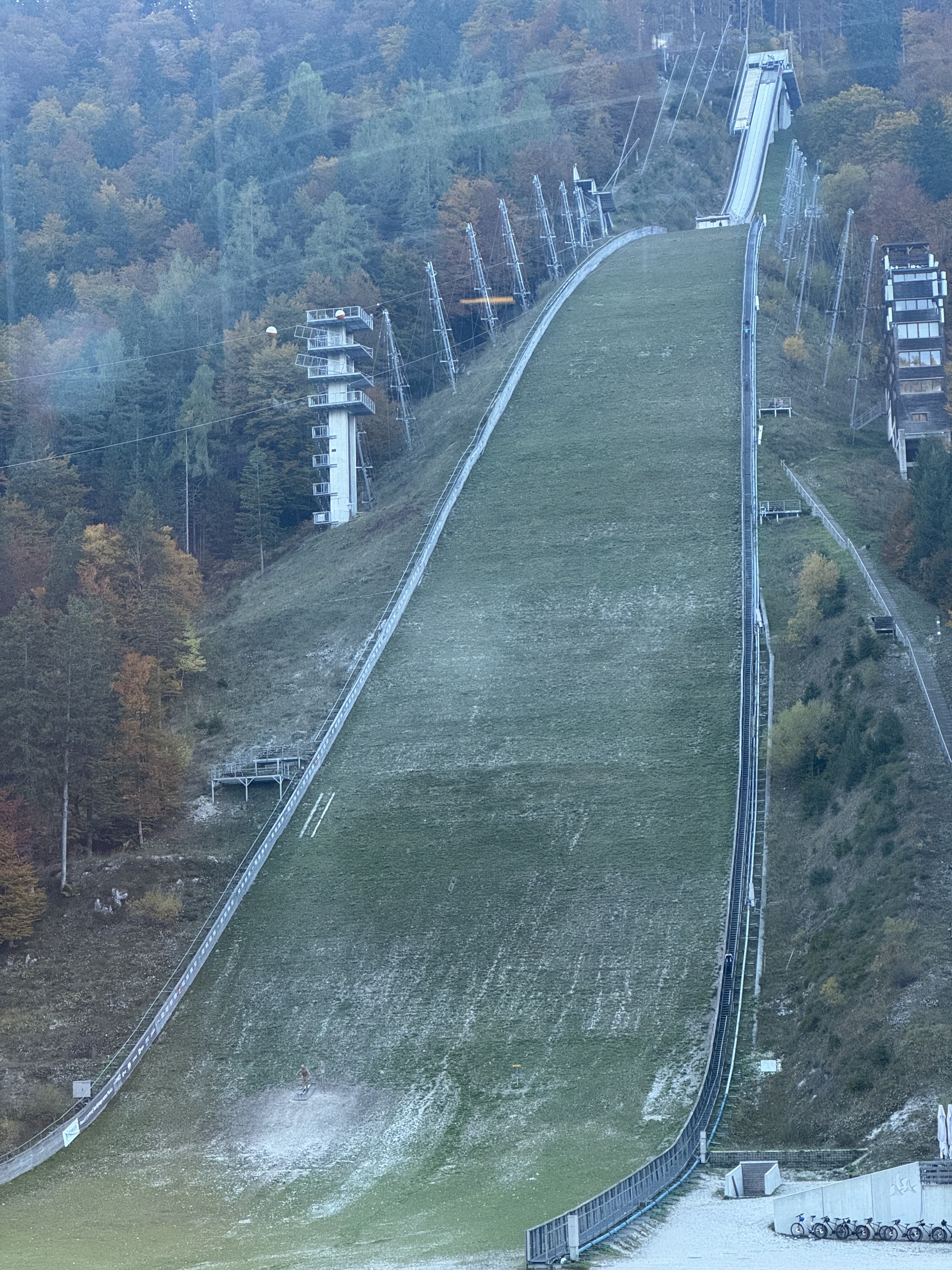
Slovenia often ranks high in the number of Olympic medals per capita. We stopped briefly at the training center for the national ski jumping team. They train year-round, on astroturf when there’s no snow.
Geography Is Fate
Slovenia sits between Italy, Austria, Hungary, and Croatia, and has a small coastline on the Adriatic Sea. This strategic position has made it attractive to invading armies during times of war.
We started our trip in the tiny historic town of Kobarid, with its World War I museum. This valley, where the Soča (Isonzo) River goes from the Alps to the Adriatic, was the scene of Italy’s offensive against Austria-Hungary in 1915. (They had been promised this land by the Allies). Over two years, twelve brutal battles ensued, largely at a sustained stalemate in trenches with heavy casualties. Ernest Hemingway’s A Farewell to Arms was based on this front.
The Slovenes were often caught in the middle of historical struggles and have been controlled by other nations for most of recorded history—I counted over 30 conquerors on the timeline in the museum. Despite this, or perhaps because of this, Slovenes have a strong national identity and culture, along with a notoriously difficult language.
Italy was brutal once it took over parts of Slovenia during the two World Wars. Our museum guide spoke of older relatives describing how the Italians took over the schools, and overnight the only language allowed was Italian, which none of the Slovenes spoke. The local teachers were sent to Sicily, and the Italian teachers who replaced them beat the kids when struggled with Italian in class.
Fun Facts
Inhabited for 250,000 years, Slovenia is home to the world’s oldest wooden wheel and a pierced cave bear bone made into the oldest musical instrument ever found, dating to around 43,000 years ago.
Water, Water Everywhere and Some You Can Even Drink
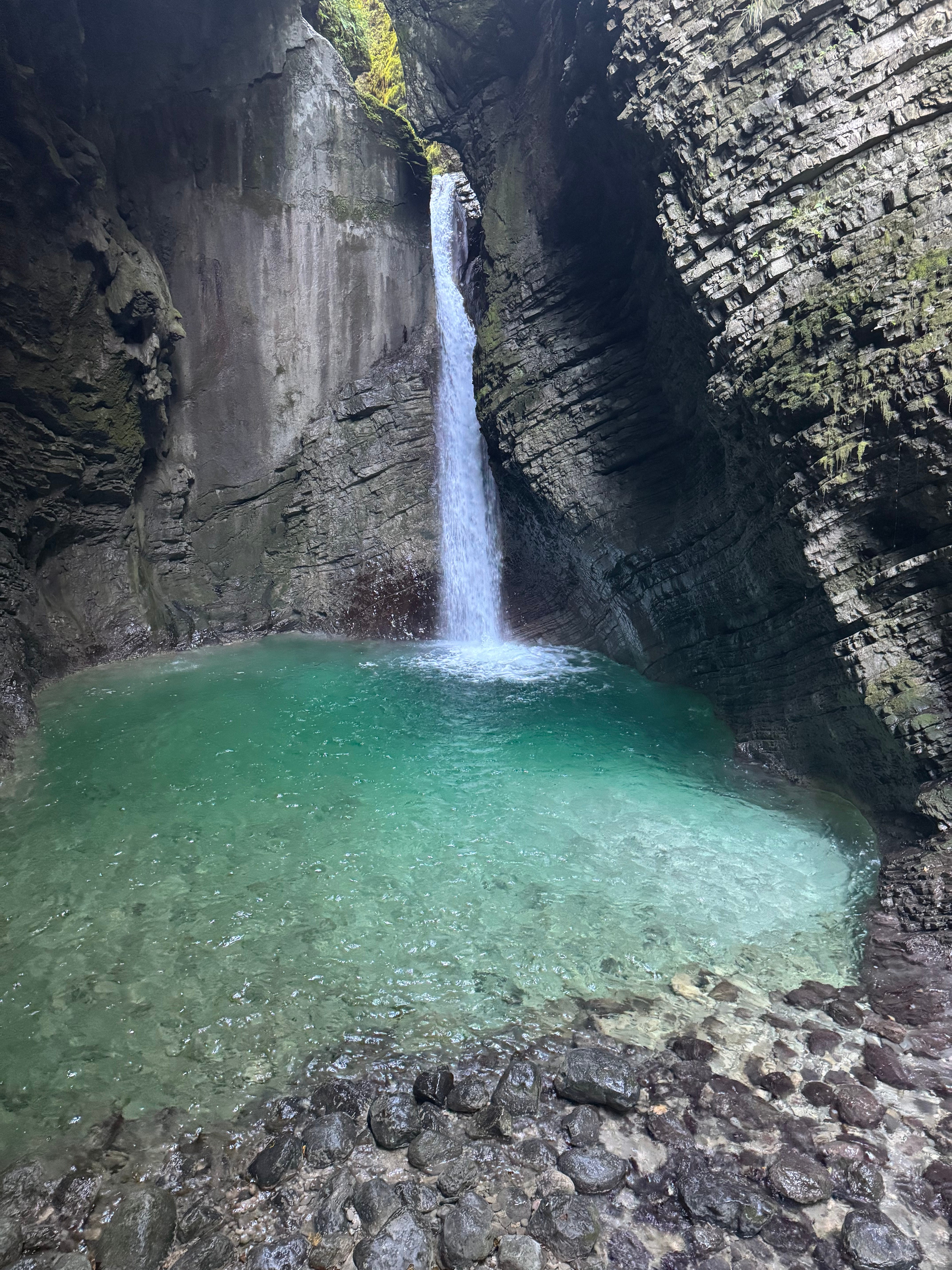
There were the most extraordinary rivers and waterfalls—almost a constant presence on our hikes. The water was incredibly fresh, with a beautiful aquamarine hue.
In the foothills of the Julian Alps, we walked above Kobarid in stunning terrain, including a gorgeous waterfall cutting through a mountain, Kozjak Falls.
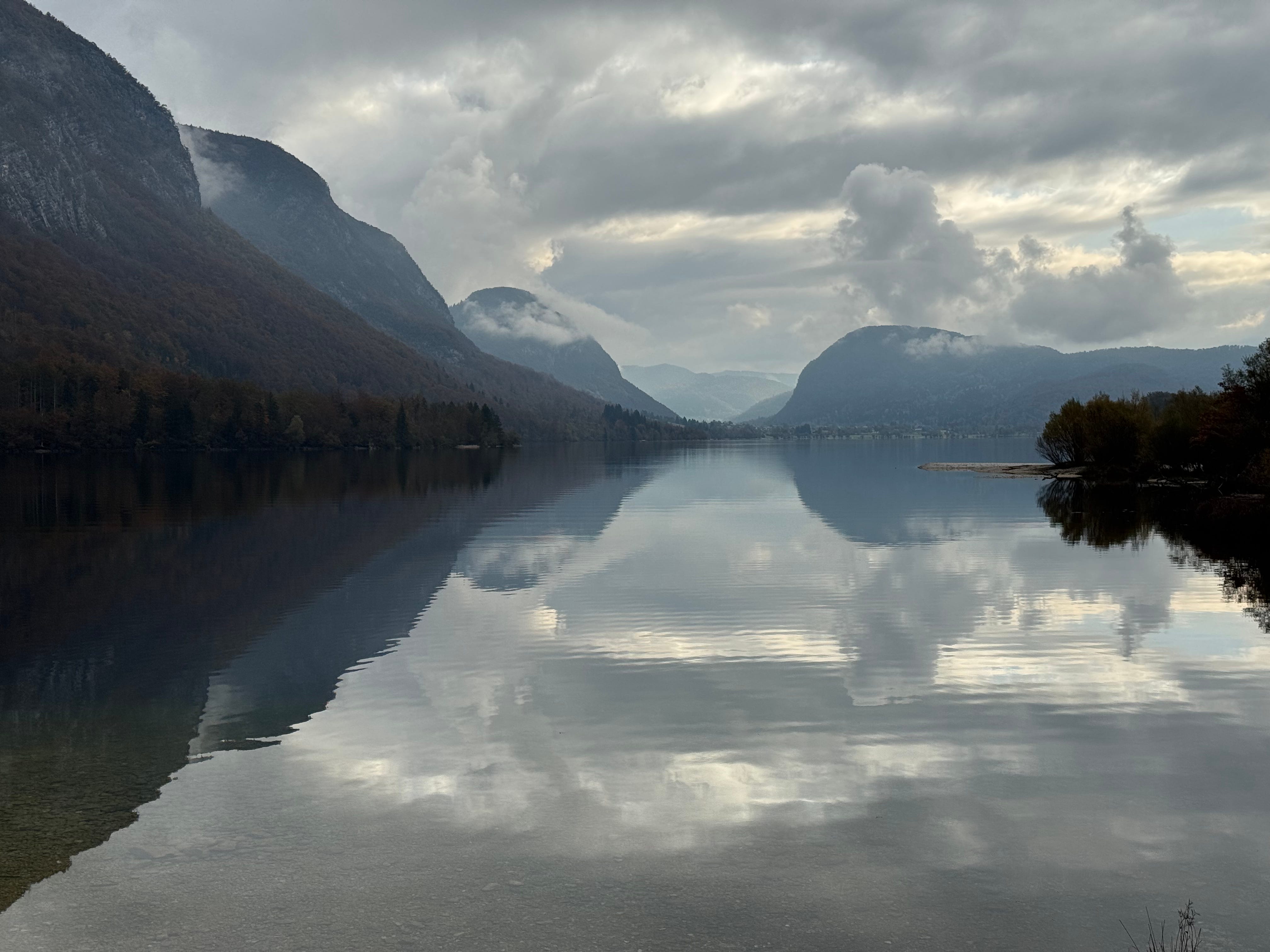
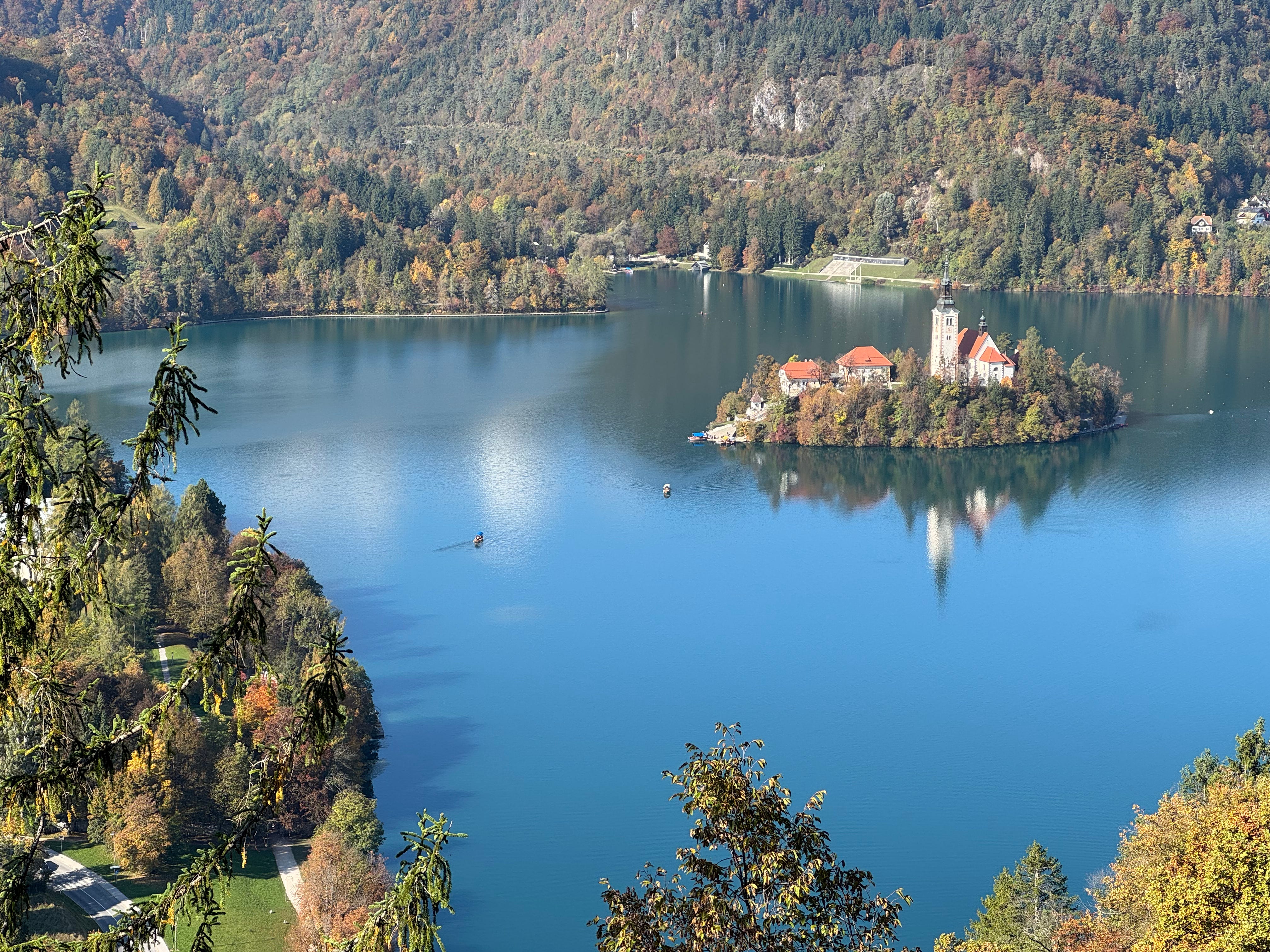
The two lakes we visited—Lake Bled, the poster child for Slovenia, and the quieter, more out-of-the-way Lake Bohinj—were both impossibly perfect.
Our last hotel, the Vila Planinka, served water in carafes from the local spring, beloved for millennia and very rich in magnesium. We were forewarned to limit our intake because digestive distress and hiking are not the best partners.
That Room Must Have Been Really Stinky
Near the agriturismo in Jezersko we stopped on our hike to visit a house from the 1500s that is now a museum. The woman who showed us around, speaking only Slovene, was a member of the family who had owned it originally. It sits along a path leading to a pass through the mountains and had been used as an inn for traveling merchants.
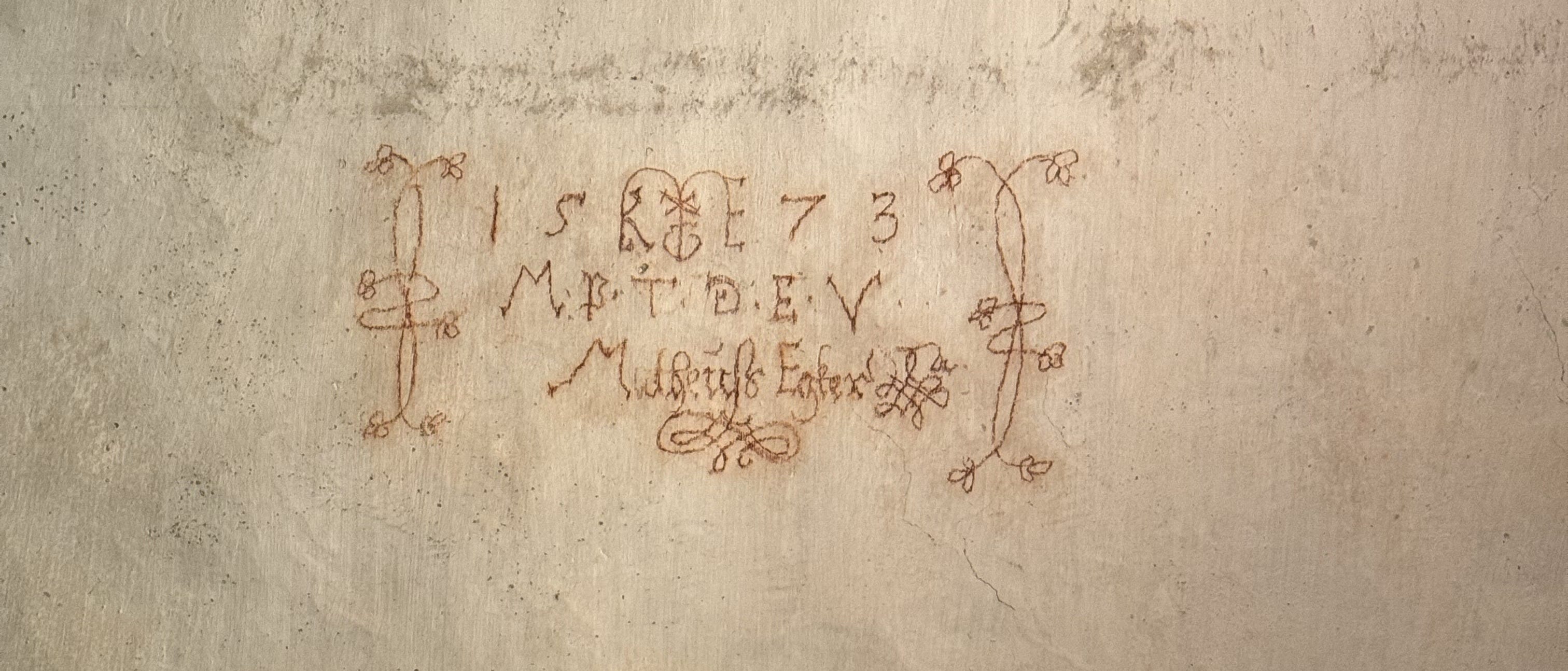
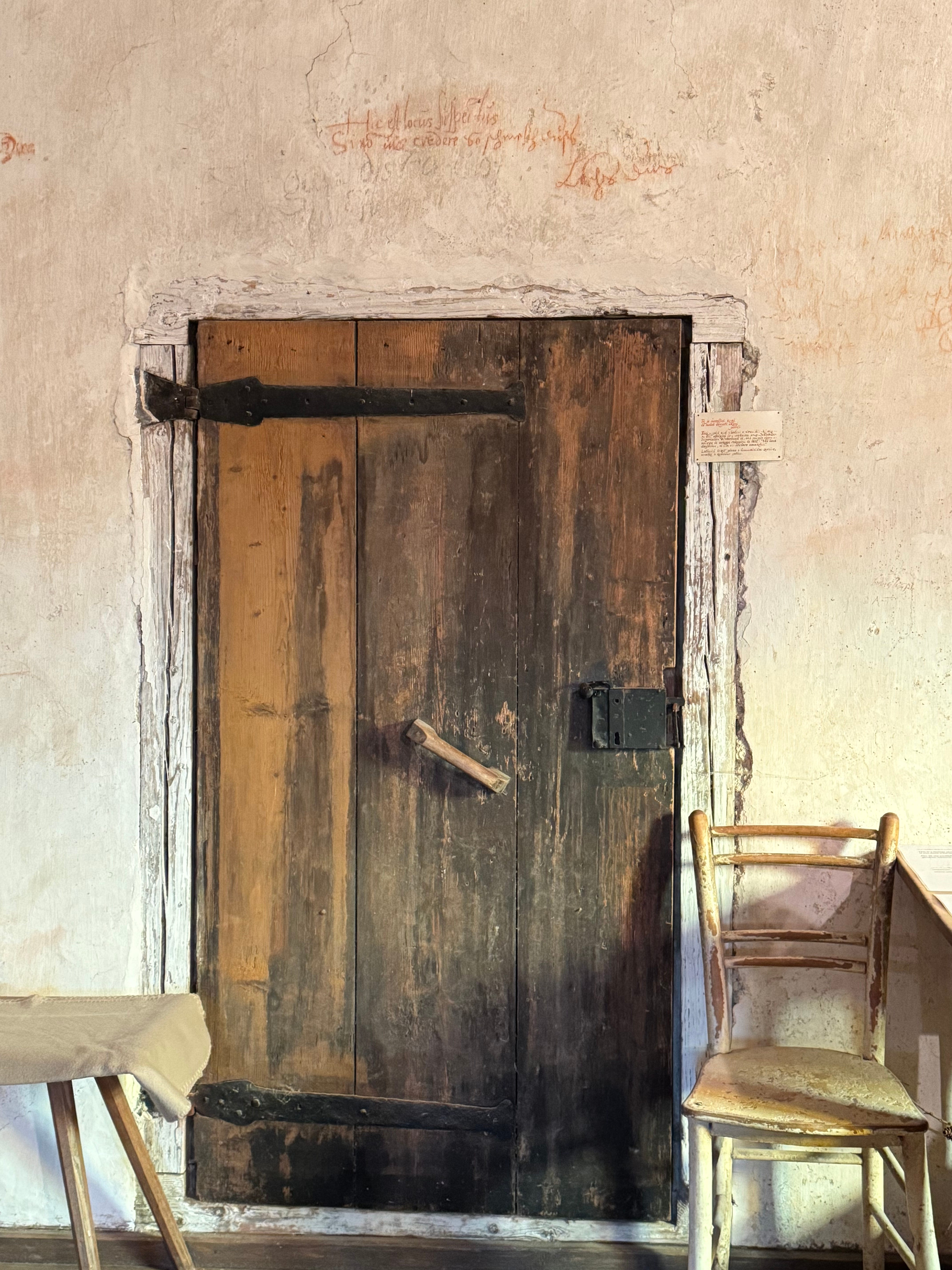
The house was turned into a museum of farming life, but the most remarkable thing was one room where the traders would bunk down—all together on a wooden floor. The walls had carefully drawn graffiti from the 16th century, some of which included people’s names and the dates they visited.
But I loved the editorial comment from a gentleman who slept near the entrance to the latrine and complained about the smell, written on the wall above the offending door.
Ljubljana
Our last night we spent on our own in the capital city of Ljubljana. The old town is beautiful and very walkable, with a river running down the middle and picturesque bridges.
And About That Tour
My niece, Christine Sarkis, a travel editor and writer, is now working at the luxury active travel company Backroads. She invited me to join her on their trip to Italy and Slovenia. I was a bit skeptical, as I’ve never had a desire to go on a group tour, but I wanted the chance to spend time with Christine and see this country that I might not get to otherwise.
The tour ended up being very enjoyable. As much as I don’t like being too structured, the access to our intelligent and passionate guides, and some of the out-of-the-way places they took us, more than made up for it. They handled all the logistics and planning and offered a range of options every day for the length and intensity of the hikes. The hotels and meals were all well-chosen and special.
Bonus: Slovenian Hotels I Loved, Plus a New Hotel Find in Venice
The trip started out on a great note. We met up in Venice the night before the tour kicked off, and I booked us into a hotel I’d always wanted to stay at, Palazzo Stern. We’d lived in an apartment across the tiny alley from its front entrance for six weeks when we first arrived in Italy thirteen years ago, and I often gazed with burning desire at their wonderful Grand Canal-side terrace, available to guests only. I’d booked us into one of their cheapest rooms, but when I checked in I was upgraded to their suite, which had a private balcony overlooking the Grand Canal. If that was all that went well on the trip, it was enough.
I can enthusiastically recommend Hotel Bohinj in Triglav National Park It’s modern in design, has huge windows, and overlooks the gorgeous Lake Bohinj.
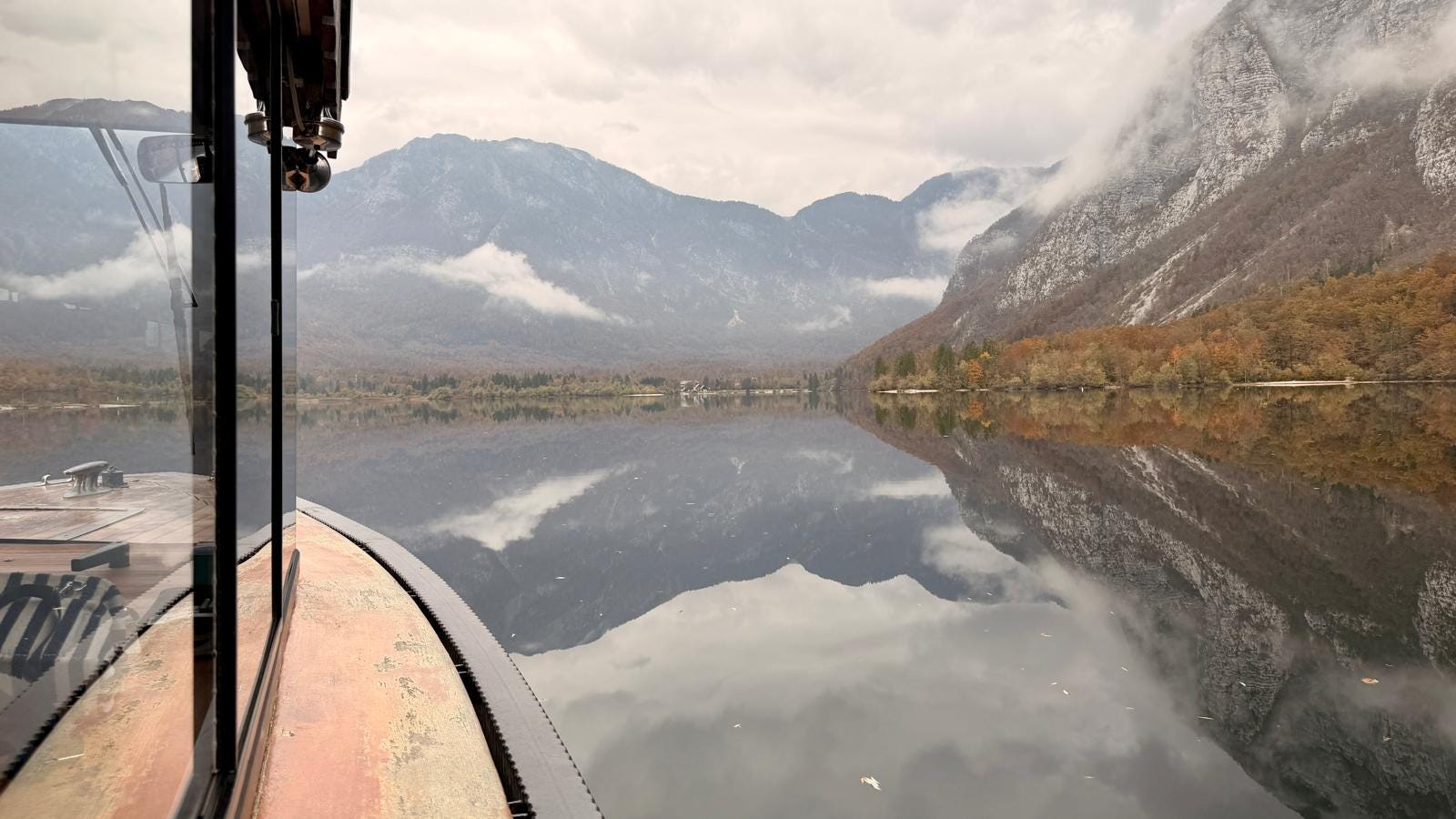
The other hotel we liked a lot was the Boutique Hotel Vila Planinka—Scandinavian in design, with good food and wines, and lovely views. Both hotels have stunning hikes right from the front doors.
Thank you to all the new subscribers, as well as my loyal OGs. One of the things I love most about living in Europe is easy access to explore new places, and want to share them when I find them. Please let me know what you thought.
Ciao,
Nancy
Ten years ago at UC Berkeley, a physics major walked into my office asking if she could do research with me. Her name was Rea Kolbl, from Slovenia. I assigned her a demanding project: detect faint stellar companions hidden in the glare of brighter nearby stars. I gave her digital spectra from the Keck Observatory and asked her to write a computer program to detect any faint companion stars. Within six months, Rea had a functioning code—and my collaborators immediately began using it in their own professional research. Rea applied to the Ph.D. Physics program at Stanford and was accepted, which is an enormous achievement. But a year later, she dropped out. She decided to pursue a career as a professional endurance athlete, mountain racer, and obstacle course racer. Today, she has won multiple championships on the world-cup circuit. Google “Rea Kolbl."
Fun to know your niece works at Backroads. Like you, I don't like to be overly "organized" but I have traveled multiple times with Backroads and have found that their attention to client service (and moving one's luggage from place to place) enables me to relax much more than if I was making all the arrangements myself. I visited Slovenia only for a couple of days en route to a dreamy Croatia trip a few years ago. Your post makes me want to go back and delve into the country--hiking!--a lot more...Happy holidays to you!